
Security Camera Installation in Toronto: 9 Mistakes to Avoid Before You Buy
August 13, 2026
Gate Intercom Systems Toronto: Planning, Access & Control4
August 13, 2026Automatic Door Openers in Ontario: What Toronto Businesses Should Know
An entrance can technically work and still be difficult to use.
A heavy closer, a narrow vestibule or a poorly placed activation button may create a barrier for a customer using a wheelchair, a parent pushing a stroller, a courier carrying packages or an employee with a temporary injury. An automatic door opener can make the entrance easier and more welcoming—but only when the entire opening is considered as a system.
For Toronto businesses, that system may include the operator, door and frame, hinges, closer, activation devices, safety sensors, electric locking, fire-alarm interaction and access control. Adding a motor without assessing those pieces can create unreliable operation or a new safety problem.
Here is what property managers and business owners should understand before planning an automatic door project.
AODA and the Ontario Building Code are not the same thing
The terms are often used interchangeably in conversation, but they cover different responsibilities.
The Accessibility for Ontarians with Disabilities Act (AODA) establishes accessibility standards that organizations must follow. Ontario’s official accessibility guidance explains that most technical requirements for accessible buildings—including power door operators—are addressed through the Ontario Building Code.
The 2024 Building Code applies accessibility requirements to most new construction and extensive renovations. Its barrier-free path-of-travel provisions address items such as entrances, doorway and corridor widths, manoeuvring space and power door operators.
That does not mean every existing door automatically requires the same upgrade. Requirements depend on the building, occupancy, project scope and local approval process. Before making compliance claims, confirm the applicable requirements with the project designer, building department or other qualified authority.
This article is practical guidance, not legal or code advice.
Begin with the existing door
An automatic operator cannot fix every mechanical problem.
Before selecting equipment, inspect:
- the condition and alignment of the door and frame;
- hinge or pivot wear;
- closing force and latch resistance;
- weather seals and thresholds;
- wind exposure;
- door weight and width;
- available electrical power;
- the entrance and vestibule layout;
- existing panic hardware or electric locks.
If the door drags, binds or does not latch consistently, those issues should be corrected before—or as part of—the automation work. Otherwise, the operator will work harder, cycle inconsistently and wear prematurely.
Choose the right type of operator
Many commercial retrofits use a low-energy swing-door operator. The door opens automatically when activated and then closes in a controlled way. Other applications may require full-power automatic doors, sliding systems or specialized equipment.
Selection depends on traffic volume, door size, environmental conditions, accessibility objectives and safety requirements. A small office entrance used a few dozen times per day does not have the same operating demands as a busy retail store, clinic or multi-residential lobby.
Activation should be easy to find and easy to reach
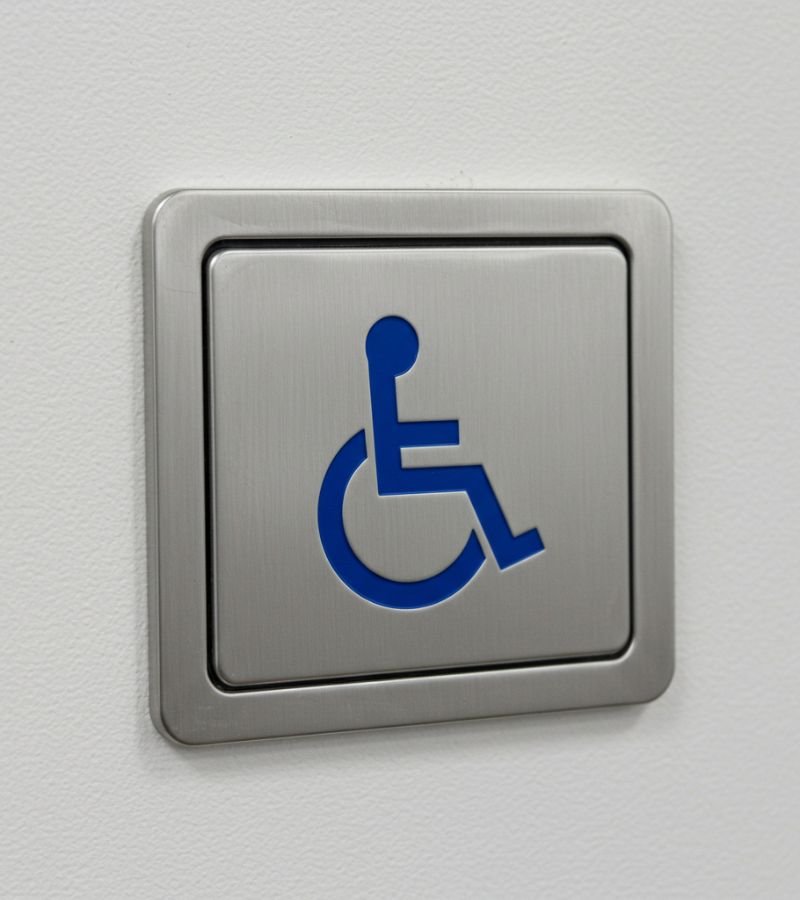
The familiar accessibility push button is only one activation option. Depending on the site, the system may also use:
- touchless wave sensors;
- wireless push plates;
- wall switches;
- key fobs or mobile credentials;
- intercom release;
- card readers;
- scheduled automatic opening;
- reception or security-desk control.
Placement matters. A button should not force a user to stand in the swing path or manoeuvre around planters, garbage bins or furniture. In a vestibule, both doors and their activation sequence must be considered so the user is not trapped between two difficult openings.
Safety sensors are not optional thinking
The door must know when it is safe to move.
Sensor requirements depend on the operator and application, but the design may include presence sensors, door-mounted safety sensors or monitored activation devices. The installer should assess approach directions, the swing area, closing speed and how the door behaves if a person stops in its path.
The purpose is not merely to make the door open. It is to make the complete cycle predictable and safe.
Accessibility and security can work together
Some property managers worry that an automatic opener will weaken a controlled entrance. Properly integrated systems can maintain both accessibility and security.
For example, a card reader can validate a credential, release the electric lock and activate the door operator in the correct sequence. A video intercom can allow staff or residents to confirm a visitor before triggering the opening cycle. Time schedules can keep the entrance unlocked during business hours and controlled after hours.
Sequence is important. If the operator tries to move the door before the lock releases, the opening may fail or strain the hardware. The access-control, locking and operator teams should not work as if they are separate projects.
Explore how access control systems can integrate with door hardware and cloud or mobile credentials.
Consider the fire-alarm and life-safety strategy
Doors on fire separations, exit routes or controlled egress paths may have special requirements. Automatic operators and electric locking must not interfere with required exiting or fire-protection functions.
Coordinate with the appropriate design and fire-safety professionals before modifying these openings. A convenient everyday sequence must still behave correctly during an emergency or power loss.
Plan for Toronto weather
Exterior doors in the GTA experience wind, snow, ice, road salt and large temperature changes. These conditions affect thresholds, seals, hardware and opening force.
An entrance that operates perfectly in a workshop may behave differently on a windy January morning. Exterior installations should account for weather exposure, drainage, door condition and the additional resistance created by seals or pressure differences.
Maintenance protects the investment
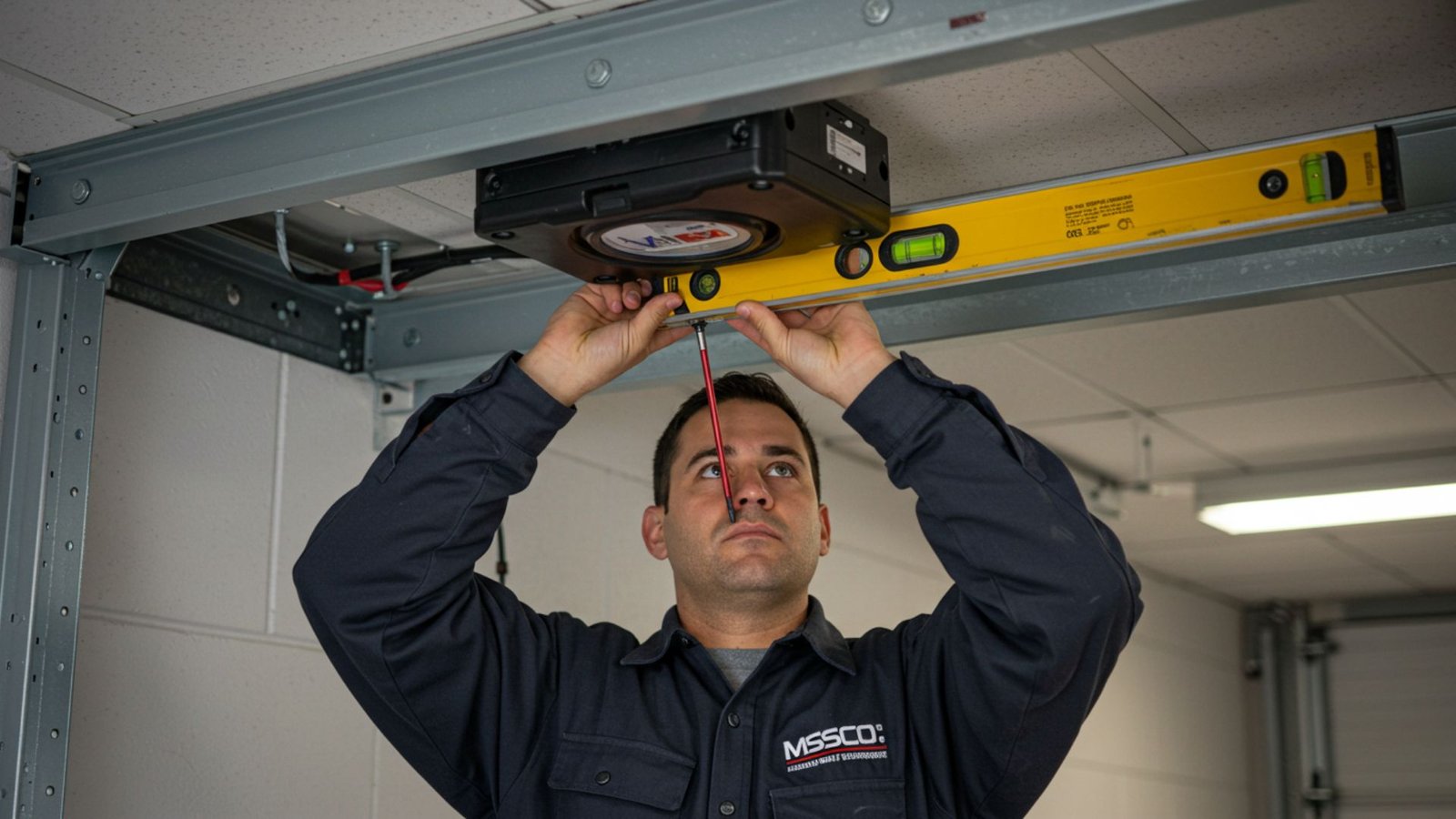
Automatic doors contain moving mechanical and electrical components. Like any frequently used system, they benefit from inspection and preventive maintenance.
Staff should know how to identify warning signs:
- unusual noise or vibration;
- hesitation before opening;
- incomplete closing or latching;
- contact with the floor or frame;
- inconsistent activation;
- damaged push buttons or sensors;
- changes after nearby construction or seasonal weather.
Do not disable a safety device to keep a problematic door operating. The cause should be inspected and corrected.
Keep service records, note recurring issues and review the system after changes to locks, door hardware, flooring or vestibule layout.
Questions to ask before approving an installation
- Has the existing door and hardware been inspected?
- Which operator type fits the traffic and door conditions?
- Where will activation devices be located?
- How will users remain clear of the swing path?
- Which safety sensors are included?
- Will the operator integrate with electric locking, access control or an intercom?
- What happens during a power failure or fire-alarm event?
- Who will test the completed sequence?
- What maintenance and user training are included?
Clear answers are more valuable than a product name on a quote.
The entrance should work for the person approaching it
Automatic door openers improve more than compliance. They reduce friction at the first point of contact with a property.
The best result comes from looking at the entrance through the user’s experience: approach, activation, opening, passage and secure closing. When accessibility, safety and access control are coordinated, the door feels simple—even though several systems are working behind the scenes.
MSSCO installs and integrates automatic swing-door operators, activation devices, safety sensors and access-control components across Toronto and the GTA.
Learn about our automatic swing door opener services, review our broader automatic door systems, or request a site assessment.
Frequently asked questions
Does every Ontario business need an automatic door opener?
Requirements depend on the building, occupancy, construction or renovation scope and applicable code provisions. Ontario’s Building Code addresses many technical accessibility requirements for buildings. Confirm the requirements for a specific project with the appropriate qualified authority.
Can an automatic door opener work with a card reader?
Yes. The access-control system can validate a credential, release compatible locking hardware and trigger the operator in sequence. The integration must be designed so the lock releases before the door moves.
Can an existing commercial door be automated?
Many existing swing doors can be retrofitted, but the door, frame, hinges, closer, locking hardware, power and surrounding space should be assessed first.
How often should an automatic door be serviced?
The appropriate schedule depends on equipment, use and site conditions. Follow manufacturer guidance, applicable standards and the recommendations of the qualified service provider. High-traffic or exterior entrances may need more frequent attention.
